Ask Your Mom if My Beard Tickles Viking Review
I’ve been stitching and selling custom embroidery for over a decade, and I’ve learned that the right design can turn a simple blank into a product that practically sells itself. When I opened the Ask Your Mom if My Beard Tickles Viking file, I immediately smiled. It’s not just a bearded face; it’s a personality-packed statement that blends humor, a little edge, and a whole lot of wearability. But a great graphic on screen doesn’t always translate to a great stitch-out. So I put this design through my usual mental checklist—and a few physical tests—to see if it earns a spot in a maker’s toolkit.
First Impression: Cheeky, Bold, and Surprisingly Versatile
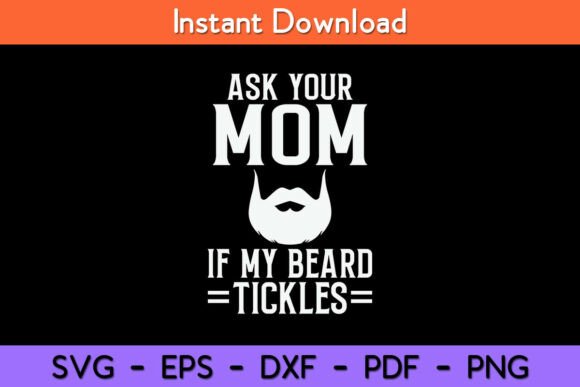
The mood of this design is confident, playful, and just the right side of sassy. The Viking theme is clear, with a prominent beard, a horned helmet, and the phrase that demands attention. The layout feels balanced—text supporting the graphic without overwhelming it. Shape-wise, it’s a solid, compact composition that should read well on everything from a chest pocket to a full tote bag panel. The visual personality walks a fine line: it’s funny without being crude, and it has enough detail to feel like a finished illustration, not a rushed meme.
I could see this working on a muscle tee for a summer festival, a canvas tote for a cheeky friend, or even a kitchen towel that becomes a conversation starter. The design instantly triggers a reaction, and that’s gold for any seller trying to catch a buyer’s eye in a crowded Etsy feed or craft fair booth.
Real Project Test: Stitching It on a Cozy Sweatshirt
To really understand how this design behaves, I created a mockup for a client who wanted a unisex pullover sweatshirt for her brother’s birthday—a guy who loves Vikings and doesn’t take himself too seriously. I prepped a mid-weight cotton-poly fleece in a light oatmeal color, hooped a cutaway stabilizer, and digitized the design from the high-quality SVG included in the download. (Note: this product is a cutting file, so you’ll need to digitize it for embroidery or check if the seller provides machine-ready formats like .pes or .dst.)
I chose a two-color palette: a deep charcoal for the beard and helmet outlines, and a muted gold for the horns and text accents. The results were crisp. The beard’s texture, with its sweeping curves and small gaps, translated beautifully into a mix of satin and fill stitches. The lettering stayed legible even at 3.5 inches wide, which is a common hoop size for home machines. The horns, with their tapered ends, demanded careful digitizing to avoid thread breaks, but once dialed in, the stitch-out looked robust.
Fabric and Stabilizer Choices That Matter
On the sweatshirt, the cutaway stabilizer prevented distortion on the stretchy fleece. For a lighter project, like a cotton tote bag, a tear-away stabilizer with a fusible mesh backing would be enough. If you’re working on a thin baby onesie or a slinky jersey, I’d add a layer of water-soluble topping to keep the beard’s fine details from sinking into the fabric. The design’s density is moderate—plenty of coverage without turning into a stiff patch—so it’s comfortable to wear and won’t warp on a loose knit.
Where This Design Shines (and Where You Need to Be Careful)
Over the years, I’ve seen too many great designs fall apart because the maker didn’t consider the surface. Here’s my honest take on the best and trickiest uses for Ask Your Mom if My Beard Tickles Viking.
Best Bets for a Successful Project
- Custom apparel: sweatshirts, hoodies, t-shirts, and tank tops. The design holds its own as a center chest hit or a smaller left-chest placement.
- Bags and totes: A canvas tote makes a perfect “gift shop” vibe. The design’s humor fits a beach bag, a farmers’ market tote, or a book bag.
- Kitchen textiles: Tea towels, aprons, and oven mitts. The Viking motif pairs surprisingly well with a rustic kitchen aesthetic.
- Patches: With a tight satin stitch border, this design becomes a sew-on or iron-on patch that can be slapped on jackets, backpacks, or caps.
- Nursery decor: Yes, a baby blanket or a framed hoop art with this cheeky phrase might be a hit for a new parent with a sense of humor—just know your audience.
Proceed with Caution On
- Small hoop sizes: If you try to cram the full design into a 4x4 inch hoop, the lettering may become too small to stitch cleanly. I’d recommend no smaller than 3.5 inches wide for the text, and that means a 5x7 inch hoop or larger for the whole composition.
- Textured fabrics: Toweling, chunky knits, or heavily ribbed garments will swallow the beard’s fine lines. The gaps inside the beard could fill in or look messy.
- Dark fabrics: The design relies on contrast. If you stitch it on black or navy without adjusting thread colors, the details might disappear. Always test a white or light thread version on a dark swatch first.
- Curved surfaces: Caps and hats are doable, but the beard’s horizontal sweep may distort on a curved cap front. You might need to arc the design or keep it to flat bill areas.
- Frequent washing: Satin stitch horns could snag if you don’t use a dense enough underlay. On a garment that’ll be thrown in the washer and dryer weekly, I’d add a layer of permanent stabilizer and maybe a protective backing.
How the Design Boosts Product Value and Customer Trust
When you’re selling handmade items, the design is half the product. The other half is the feeling it gives the buyer. Ask Your Mom if My Beard Tickles Viking has a built-in conversation factor. It’s the kind of graphic that makes someone stop scrolling, laugh, and immediately think of a friend who needs it. That kind of immediate emotional connection translates to higher conversion rates, better reviews, and more repeat customers.
From a branding perspective, if your shop has a playful, slightly irreverent voice, this design will fit right in. It’s recognizable enough to become a signature piece. The stitched version looks professional—not like a cheap iron-on transfer—so it builds trust that your products are well-made. Giftability is high, too. A well-executed sweatshirt or tote with this design can be a birthday, Father’s Day, or Valentine’s gag gift that feels substantial.
Practical Designer Notes Before You List or Sell
I always preach testing before you commit to a production run. Here’s my checklist for anyone planning to use this design commercially.
- Digitize thoughtfully: The SVG file is clean and scalable, but embroidery requires stitch-by-stitch decisions. Pay close attention to the beard’s internal lines, the horn tips, and the lettering’s counters. A running stitch underlay will keep small areas from shifting.
- Thread color contrast is non-negotiable: The beard’s texture works best when the fill color pops against the background fabric. Test on both light and dark scraps. I found that antique gold thread on a navy sweatshirt looked amazing, but the same gold on a light beige needed a darker outline to define the shape.
- Check the license: Since the product is a digital graphics file, you need to confirm whether the seller allows finished products to be sold. Many SVG designers offer a commercial license, but don’t assume. Read the terms before you stitch items for sale.
- Save a black-and-white preview: When you digitize, view the design as a silhouette. If the beard and horns don’t read clearly as a Viking without color, adjust the stitch direction or add subtle outlines.
- Run a test on scrap fabric first: I always do this. A simple cotton twill test showed me that the beard whiskers needed a touch more space between them to avoid thread buildup. That small tweak made the final product look sharper.
- Hoop size matters: Measure the design’s dimensions after digitizing. For the full composition, I needed a 5x7 inch hoop. It’s manageable for most home embroidery machines, but if you’re working with a 4x4, you might need to split the design or use only the beard and text without the helmet.
Making It Work for Your Craft Business
If you run a small shop, this design can fill multiple product niches. A single digitized file can become a dozen different items: a unisex crewneck, a baby bib, a wine bag, a patch, a framed hoop art, a set of coasters, or even a personalized apron. The versatility keeps your inventory fresh without requiring new design purchases.
For Etsy sellers, Ask Your Mom if My Beard Tickles Viking fits into trending categories like “funny gifts,” “Viking decor,” and “brother gifts.” Use mockup photos that show the design on a well-styled flat lay, and include a close-up of the stitch quality in your listing images. That transparency often clinches the sale.
At a craft fair, this design on a simple tote bag or a stack of patches will stop people. I’ve seen similar humorous designs outsell more generic ones three to one. The key is to present it as a finished product that feels intentional—not like a last-minute joke.
Final Thoughts on the Ask Your Mom if My Beard Tickles Viking Design
After working through the digitizing process, stitching samples, and imagining all the ways it could live in a customer’s life, I’d say this is a keeper. It’s not a design for every occasion, but for the right audience, it’s a knockout. The humor lands, the artistic quality is there, and the embroidery outcome can be high-end if you pay attention to the details.
Just remember: always test your file, choose your stabilizer wisely, and double-check the licensing so you can sell with confidence. Whether you’re making a personalized gift for a friend or stocking your boutique with a fresh collection, Ask Your Mom if My Beard Tickles Viking brings that rare blend of craftsmanship and character that keeps customers coming back.