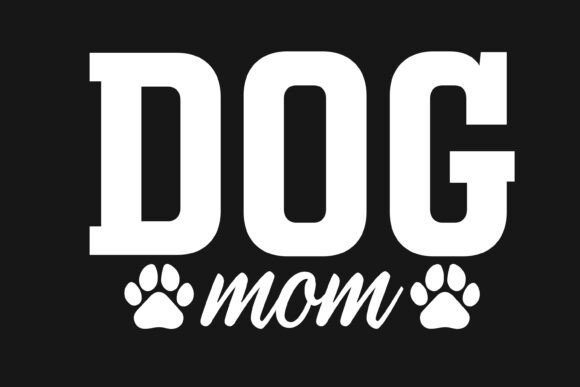
Bold Minimalist Dog Mom Design Review for Embroidery
Some designs shout. Others simply sit there, quiet and confident, waiting for the right maker to recognize what they can become. The Bold Minimalist Dog Mom Design falls squarely into the second category. I opened the file package on a Tuesday morning, coffee in hand, already picturing a soft cream sweatshirt with deep charcoal thread doing all the talking. This design is not trying to impress anyone with complexity. It leans hard into restraint, and that is exactly what makes it useful for real embroidery projects.
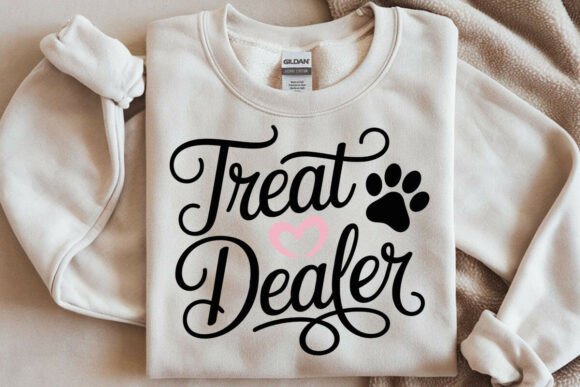
The first thing that struck me was the clarity of the typography. The words "Dog Mom" sit at the center of the composition, surrounded by a simple paw print and a subtle heart accent. There is no clutter, no unnecessary flourish, no trendy gimmick that will feel dated in six months. The layout feels balanced and intentional. As someone who has stitched hundreds of customer orders, I can tell you right now: balanced layouts stitch cleaner, sell faster, and cause fewer headaches during production.
The Mood This Design Creates Before a Single Stitch
When I evaluate an embroidery design, I always ask myself what emotional response it will trigger in a buyer scrolling through Etsy or browsing a craft fair booth. The Bold Minimalist Dog Mom Design taps into something genuine. It speaks to the pride of pet ownership without being saccharine. The typography is crisp and modern, almost architectural in its simplicity. The paw print motif is universally understood. The heart element softens the overall look just enough to keep it approachable. This is not a design that screams for attention. It earns it through quiet confidence.
I could immediately see this working on a natural linen tote bag, stitched in a warm taupe thread. Or on a heather gray sweatshirt with tone-on-tone embroidery for a subtle, high-end boutique feel. The design feels equally at home on a structured cap as it does on a baby onesie for a new mom who also happens to be a devoted dog owner. That versatility is rare, and it is worth paying attention to.
How the Design Holds Up in a Real Embroidery Project
Let me walk you through a real scenario. A client recently asked me to create a personalized gift for her sister, a proud dog mom who had just adopted a rescue. She wanted something wearable but not flashy. I pulled up the Bold Minimalist Dog Mom Design and ran a test stitch on a mid-weight cotton canvas tote bag. I used a dark olive thread on a natural beige background, and the result was exactly what I hoped for: clean lines, legible text, and a paw print that read clearly even at a moderate size.
Because the design relies on bold typography rather than intricate details, the stitch paths stayed clean. There were no tiny isolated elements that tend to pull or distort on textured fabrics. The satin stitch sections on the lettering came out smooth. The fill areas on the paw print were dense enough to feel substantial but not so heavy that the fabric puckered. I used a medium-weight cutaway stabilizer and a ballpoint needle, and the finished piece looked professional enough to list in my shop immediately.
Where This Design Naturally Belongs
After testing, I started mentally cataloging all the products where this design would shine. The list grew quickly. Here are the strongest candidates:
- Tote bags and canvas pouches – The minimalist aesthetic pairs beautifully with natural fibers and neutral tones.
- Sweatshirts and hoodies – A centered chest placement in a contrasting thread color creates a clean, modern look.
- Baby onesies and toddler tees – The design scales down well for smaller garments, especially when paired with soft pastel threads.
- Kitchen towels and aprons – A small corner placement turns a plain household item into a thoughtful gift.
- Pillow covers and throw blankets – For home decor buyers who want a subtle nod to their love of dogs.
- Caps and beanies – The compact layout works well on curved surfaces without warping.
- Embroidered patches – Stitch this on felt or twill backing, add a merrow border, and you have a sellable patch product.
Each of these product categories appeals to a different buyer. The dog mom who browses Etsy for a personalized sweatshirt is not the same customer who wanders a craft fair looking for a quirky kitchen towel. This design somehow bridges those audiences without feeling generic. That is a valuable trait for anyone running a small embroidery business.
File Formats and What They Actually Mean for Your Workflow
The product comes with a solid range of file formats: SVG, PDF, JPEG, PNG Transparent, EPS, and AI. For embroidery digitizers, the vector formats are the real prize here. SVG and EPS files give you clean, scalable artwork that can be imported directly into digitizing software without losing quality. The AI file is editable, which means you can tweak colors, adjust spacing, or isolate elements before digitizing. The PNG with transparency is handy for creating digital mockups, product previews, or listing photos for your shop.
One thing I always remind fellow designers: having the vector source files does not mean the design is automatically ready for embroidery. You still need to digitize it properly for your specific machine, fabric, and hoop size. But starting with clean artwork makes that process significantly smoother. The typography in this design is crisp and well-kerned, which means fewer node adjustments during digitizing. Small details like that save real time when you are preparing multiple designs for a product launch.
Practical Considerations Before You Stitch
No design is perfect for every scenario, and part of being a responsible reviewer is pointing out where you need to exercise caution. The Bold Minimalist Dog Mom Design relies on clean typography and defined shapes. If you stitch it too small, the lettering will lose definition. I recommend staying above a two-inch width for the text to remain legible. On textured fabrics like terry cloth or thick fleece, the paw print details may become slightly muddled, so test on a smooth swatch first.
Dark fabrics present another consideration. The design uses solid shapes, which means you need strong thread contrast to make it pop. A navy sweatshirt with black thread will look muddy. A charcoal tee with dark gray thread will disappear. Choose your thread colors with intention. Light thread on dark fabric or dark thread on light fabric works best. Tone-on-tone can look beautiful, but only if the value contrast is strong enough to create visible separation.
Stretchy fabrics like jersey knit or performance wear require extra attention. The satin stitch sections on the lettering may pull if the fabric shifts during stitching. Use a firm stabilizer and consider adding a water-soluble topper to keep the stitches sitting on top of the fabric rather than sinking in. I learned this lesson the hard way on a lightweight rayon tee a few years ago, and I have never forgotten it.
Hoop Size and Placement Strategy
This design fits comfortably in a standard four-by-four hoop, which is good news for makers using entry-level machines. If you plan to use it on a cap, check that the design width does not exceed the maximum sewing field of your cap hoop. The compact nature of the layout helps here, but always measure before you commit thread to fabric. I always run a paper template first, positioning it on the actual garment to confirm placement before loading the hoop.
How This Design Affects Buyer Perception and Product Value
Here is something I think about constantly: the difference between a product that looks handmade and one that looks handcrafted. Handmade can feel amateurish. Handcrafted feels intentional and valuable. The Bold Minimalist Dog Mom Design pushes a finished product toward the handcrafted end of the spectrum. The clean typography signals taste. The restrained composition signals confidence. When a customer sees this design on a tote bag or sweatshirt, they do not think about the stitching process. They think about the person who would love to receive it.
This emotional shortcut is powerful for small business owners. It reduces the mental friction between browsing and buying. A customer who sees this design on a well-photographed product immediately understands the message. They picture their own dog, their own identity as a dog mom, and they click "add to cart." That clarity of communication is worth more than any complex, over-designed alternative.
Testing and Quality Control Notes for Designers
Before you list a finished product using this design, I strongly recommend running through a short quality checklist. These are the steps I follow with every new design I bring into my embroidery workflow:
- Test on scrap fabric first. Match the fabric type and weight to your intended final product. Do not test on quilting cotton if you plan to stitch on fleece.
- Check thread color contrast. View the stitched sample under natural light and indoor light. What looks bold at noon may look flat under warm bulbs.
- Review stitch density. Too dense and the fabric puckers. Too sparse and the design looks cheap. Find the sweet spot through testing.
- Confirm hoop size compatibility. Measure the actual stitched area, not just the design file dimensions. Some digitizing software adds margins.
- Inspect small details. The paw print and heart shapes should be distinct. If they blur, adjust your digitizing settings or increase the design size.
- Test in black and white. A quick grayscale preview helps you evaluate contrast without the distraction of color.
- Compare light and dark fabric backgrounds. The same design can look completely different on white versus black. Know your best combinations.
- Use proper stabilizer. Cutaway for knits, tear-away for wovens, and always match the stabilizer weight to the fabric.
These steps take time, but they protect your reputation. A customer who receives a poorly stitched product will not blame the design file. They will blame your shop. Quality control is the invisible foundation of every successful embroidery business.
Licensing, Commercial Use, and Selling Finished Products
One area where I always advise caution is licensing. The product description lists the included file formats clearly, but it does not specify commercial use terms. Before you sell finished products featuring the Bold Minimalist Dog Mom Design or include it in digital bundles, confirm the licensing directly with the seller. Some designs are sold for personal use only. Others allow commercial use with restrictions on quantity or product type. Do not assume. A quick message to the seller can save you from legal trouble and protect your business integrity.
This is especially important if you plan to list products on Etsy, Shopify, or at craft fairs. Buyers trust you to sell legitimate, properly licensed work. That trust is hard to earn and easy to lose. Always check the terms before you invest time and materials into production.
Final Thoughts from the Embroidery Bench
After working with the Bold Minimalist Dog Mom Design across several test projects, I can say with confidence that it deserves a spot in a maker's design library. It is not flashy. It is not trendy. It is simply well-executed, versatile, and emotionally resonant. Those qualities make it a reliable asset for anyone creating custom apparel, personalized gifts, home decor, or boutique merchandise.
The design performs best when you lean into its strengths: clean typography, minimal ornamentation, and a message that connects with dog lovers instantly. Pair it with quality materials, thoughtful thread choices, and solid stitching technique, and the finished product will feel like something a customer is proud to wear or gift. For embroidery designers, craft business owners, and handmade shop operators, that is the outcome that matters most.