Cat Mom Love Line Art
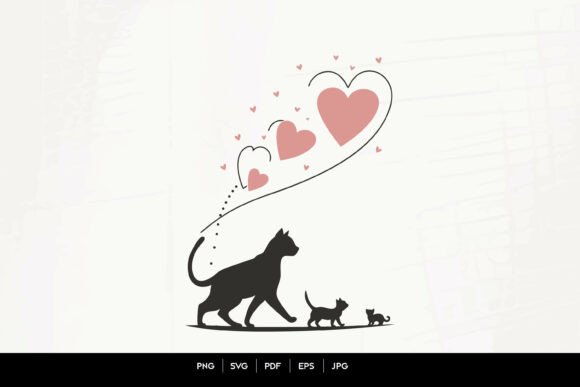
When I first opened the Cat Mom Love Line Art file, I immediately felt a quiet warmth. This isn’t a loud, overly detailed illustration. It’s a gentle, minimalist line drawing that captures the bond between a mother cat and her kitten. As an embroidery designer, I’m always looking for designs that breathe—something that feels modern but timeless, simple but emotionally rich. This design fits that sweet spot. It would look right at home in a cozy craft studio, a boutique gift shop, or stitched onto a handmade item that a customer cherishes.
The Mood of Cat Mom Love Line Art
Line art has a way of softening a project. The silhouette approach here keeps the focus on the relationship, not on fussy details. The curves are smooth, the composition feels balanced, and the overall shape reads instantly as a cat family. It’s not just a pet design; it’s a small tribute to the quiet, everyday love between a cat mom and her little one. I can already picture a customer smiling when they see it on a tote bag or a nursery pillow. This kind of design carries emotional weight without being complicated, and that’s a huge advantage in embroidery, where clarity matters.
Real-World Project: A Custom Tote Bag for a Cat Mom
Let me walk you through a real scenario I’m working on. A client asked for a personalized gift for her sister, who recently adopted a kitten. She wanted something subtle but meaningful, something her sister could use every day. I immediately thought of Cat Mom Love Line Art. I’m envisioning a natural cotton canvas tote bag, with the design stitched in a dark charcoal thread on the front pocket. The line art is airy enough that it won’t overpower the bag, but the contrast will make it stand out. I’ll pair it with a small, delicate script name underneath—maybe the cat’s name, or just “mom” in a matching thread. The final product will feel personal, almost like a hand-drawn sketch, but with the polished look of machine embroidery. That’s exactly the kind of handmade item that builds a loyal customer base.
Fabric and Thread Considerations
When I test a design like this, I always start with fabric choice. Cat Mom Love Line Art is mostly open lines, so it’s forgiving on many surfaces. On a medium-weight cotton or linen, it stitches cleanly. On a plush sweatshirt, you’ll need to watch for the nap; a heavier stabilizer and a topper might be necessary to keep the thin lines from sinking into the fabric. I also recommend testing on a dark background. The silhouette effect can look stunning reversed—like a light cream thread on a deep navy tote—but the contrast has to be just right. Too little contrast, and the kitten details might blur. On light fabrics, a warm taupe or soft gray thread keeps the mood gentle and avoids harshness.
Choosing the Right Stabilizer
- Cotton or canvas: A medium-weight cutaway stabilizer works well. The design is light, so adhesion is key.
- Sweatshirt knit: Use a fusible mesh stabilizer on the back and a water-soluble topper on the front to prevent loops from catching the thin satin stitches.
- Stretchy baby garments: A no-show mesh stabilizer gives stability without bulk. Always test on a scrap of the same fabric.
- Towels or tea towels: A tear-away stabilizer with a light topping of water-soluble film keeps the loops from disrupting the delicate lines.
Thread Colors and Contrast
I rarely use pure black for line art unless the project demands a graphic look. Instead, a dark charcoal, deep espresso, or even a muted olive can soften the stitch and make it feel more organic. The key is to hold a thread sample against the fabric and squint: if the outline almost disappears, the contrast is too low. For a monochromatic set, I’d stitch the design in a single color to maintain the clean, modern feel. If you want to add a tiny accent—like a small heart in the kitten’s tail—test it first on a scrap. The simplicity is part of the charm.
Where Cat Mom Love Line Art Naturally Belongs
This design is a chameleon for a craft business. It fits seamlessly into a baby shower gift basket, stitched on a soft muslin blanket or a tiny onesie. I’ve seen similar line art work beautifully on a kitchen tea towel, paired with a subtle floral border. For Etsy sellers, it’s a fantastic addition to a digital product lineup; customers can use it on tote bags, aprons, caps, or even a framed hoop art piece. The theme is universal—cat love—so it appeals to a wide audience, from young pet parents to older feline enthusiasts. I also see it as a strong candidate for boutique apparel, like a minimalist sweatshirt with a tiny embroidered patch on the cuff. The design’s scale is flexible enough to work on a hat, but I’d avoid shrinking it too much, as the fine lines might lose definition.
Caution Points: Small Details and Hoop Sizes
The kitten’s tiny features—the curve of the ear, the little tail—are what make this design endearing. But they’re also the first elements to get lost if the stitch density is too high or the hoop size is too small. I always recommend a test stitch on a scrap of your final fabric. Use a hoop that gives the design breathing room; a 4x4 inch hoop might be the minimum for a clean result, but I’d lean toward a 5x7 inch hoop if you want to keep all the finer details intact. Scaling down for a cap or a small patch is possible, but you’ll need to simplify the stitch file. The provided SVG and EPS formats are a blessing here, because you can adjust the artwork in your embroidery software before digitizing. If you’re working with the PNG or JPG, you’ll have less control, so plan accordingly.
Commercial Use and Craft Business Potential
From a business perspective, Cat Mom Love Line Art has strong giftability. I can already imagine a craft fair table with a series of these: a coffee mug cozy, a small zipper pouch, a set of greeting cards with iron-on patches. The design feels professional enough to anchor a boutique product line, yet personal enough to sell as a custom gift. For Etsy sellers, this is the kind of listing that generates repeat buyers—someone orders a tote, then comes back for a matching pillow cover. I do have to mention that I always check the license terms before offering finished items for sale. The product description clearly lists the file formats—SVG, PNG, EPS, PDF, JPG—but doesn’t specify commercial embroidery rights. As a responsible designer, I’d reach out to the creator or review the purchase agreement to confirm I can use the design on products I sell. That clarity protects both you and your customer.
File Formats and Design Flexibility
The fact that this design comes in multiple formats is a huge plus for crafters. The SVG and EPS files are gold for anyone who digitizes their own embroidery files, because you can import the clean vector lines directly into embroidery software and adjust pathing without losing quality. The PNG and JPG are perfect for creating product mockups, marketing images, or even printable heat-transfer projects. The PDF is handy for quick reference or for customers who want to trace the design by hand. As a digital product, it fits squarely in the Graphics category, but for embroiders, it’s a versatile Crafts asset. I use the PNG version to generate a black-and-white preview before stitching—it helps me visualize the final contrast and catch any areas that might look muddy.
Practical Designer Notes Before Stitching
- Test on scrap fabric first. Always. The texture of the fabric can change how the thin lines read.
- Check stitch density. Too many stitches in a tight curve can cause puckering. I reduce density slightly for delicate line art.
- Confirm hoop size. Measure the design outline and add at least a half-inch margin for repositioning.
- Inspect small details. The kitten’s eye and whisker area are tiny. Zoom in before you stitch and make sure the digitizing isn’t bunching up.
- Test in black and white. Print or view the design in grayscale. This reveals contrast issues faster than any colored mockup.
- Use the right stabilizer. It’s the difference between a professional finish and a wavy mess.
- Check licensing. If you plan to sell finished items, verify that the commercial license is included. Don’t assume.
Customer Perception and Finished Product Appeal
When someone buys an embroidered item with Cat Mom Love Line Art, they’re not just buying a decoration. They’re buying a feeling. The clean lines suggest a handmade, thoughtful piece, something that was made with care. That translates to higher perceived value and a greater willingness to pay a premium. I’ve noticed that customers often choose simple line art over busy, multicolor designs because it fits their personal style and home decor. It also photographs beautifully for Etsy listings or social media. A cream-colored sweatshirt with this design in slate gray thread on a soft, wrinkled linen background? That’s an image that stops a scroll. And that kind of visual appeal builds trust and brand consistency.
Final Thoughts on Cat Mom Love Line Art
After testing dozens of embroidery designs, I can honestly say that Cat Mom Love Line Art is one of those rare graphics that balances artistic charm with practical stitchability. It’s not overly complex, so it suits a wide range of skill levels and machine types. The emotional resonance is instant, and the minimalist silhouette avoids trends that might fade. For a craft business owner, it’s a reliable asset that can appear on multiple products without feeling repetitive. I’ll be using it on my next tote bag order, and I’m already planning a tiny pillow for a cat-themed nursery set. If you treat the tiny details with care, choose your thread and stabilizer thoughtfully, and always respect the license, this design will serve you beautifully in both personal and commercial embroidery projects. It’s a quiet, heartfelt piece that understands why we love our feline families.