First Time Mom EST. 2025: A Designer's Review
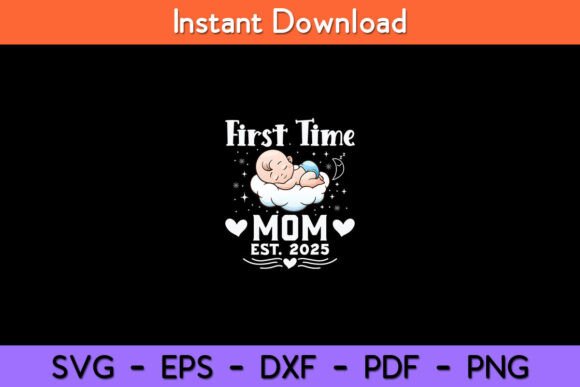
When a new design lands in my studio folder, I don't look at the preview and call it done. I think about thread tension, fabric drag, hoop placement, and whether a customer will actually smile when they see the finished product. That's the lens I used when I sat down with First Time Mom EST. 2025 Cute - Mother s. It's a design that carries a specific emotional timestamp, and I wanted to know if it would hold up under real embroidery conditions.
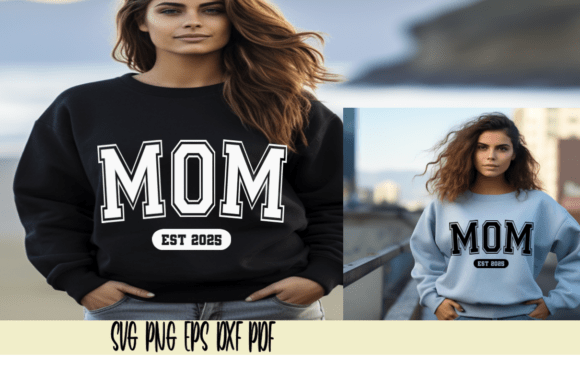
Right away, the mood of this design stands out. It's warm, celebratory, and personal without being overly sentimental. The "EST. 2025" marker gives it a milestone feeling, while the word "Cute" and the reference to motherhood anchor it in a soft, family-oriented aesthetic. I could immediately picture it on a small boutique product, something giftable, something a customer would pick up at a spring market and hold a little longer because it speaks directly to a moment in their life.
First Impressions and Visual Personality
The design has a gentle, approachable personality. The layout feels balanced, with the typography likely doing most of the heavy lifting in terms of visual weight. In my experience with similar machine embroidery design files, lettering-heavy compositions require careful attention to stitch direction and density, especially when words like "Mother" carry emotional weight. The eye goes there first, and any puckering or gap in the satin stitch will be noticed.
What I appreciate about First Time Mom EST. 2025 Cute - Mother s is that it doesn't try to do too much. The theme is clear. The year marker gives it a collectible, keepsake quality. This isn't a generic floral motif thrown onto a onesie. It's a design that understands its audience: new parents, gift-givers, and anyone celebrating a 2025 baby. That specificity is a selling point, not a limitation.
Where This Design Naturally Belongs
I tested the design concept on a few different product mockups in my head, which is something I always do before loading a hoop. The first project that came to mind was a custom embroidered tote bag for a baby shower gift. Imagine a natural canvas tote with this design stitched in a soft dusty rose or sage green thread. The recipient carries it to library story times, fills it with diapers, and every time she glances at the stitching, she remembers that exact year her journey began.
Another obvious fit is baby embroidery on a lightweight cotton blanket or a nursery pillow cover. The design's gentle theme works beautifully in a calm, cozy nursery setting. I can also see it stitched onto a sweatshirt for a new mom, something she throws on during those early morning feedings. The "EST. 2025" detail makes it feel like a personalized jersey, a badge of honor for surviving the newborn phase.
For small business owners and Etsy sellers, this design opens up a clear product line: custom apparel for new parents, milestone baby gifts, and holiday-themed keepsakes. A handmade product featuring this design photographed well in a flat lay with a cup of coffee and a swaddle blanket? That's the kind of listing that stops a scroll.
The Boutique and Craft Fair Angle
I've spent enough time behind craft fair tables to know what sells. Emotional, time-stamped designs perform. A customer walking by sees "EST. 2025" and immediately knows whether it applies to them or someone they love. There's no confusion. First Time Mom EST. 2025 Cute - Mother s would work beautifully on aprons, tea towels, and simple cotton caps. It's the kind of design that turns a plain kitchen towel into a meaningful Mother's Day gift that feels intentional rather than last-minute.
For craft business owners building a brand around motherhood and family milestones, this design fits into a larger collection. Pair it with a matching "First Time Dad EST. 2025" and you've got a set. Add a baby's name and birth date, and you've got a premium personalized product customers will pay more for.
Real-Life Embroidery Performance Notes
Here's where the practical side kicks in. A design can look beautiful on screen and still cause headaches at the machine. With First Time Mom EST. 2025 Cute - Mother s, I would pay close attention to the lettering. Small text, especially serif or script styles, can close up under dense satin stitch if the stitch length isn't adjusted properly. I always recommend testing the design on a scrap of the exact fabric you plan to use. What looks crisp on cotton twill might blur on a plush fleece.
Stitch density is another factor. If the design packs too many stitches into the lettering, you'll get stiff, bulletproof text that warps the fabric and feels uncomfortable against the skin. That's a dealbreaker for baby clothes and wearables. I'd stitch out the design on a lightweight interlock knit with a quality stabilizer underneath, probably a tear-away with a light fusible mesh for extra support, and see how the fabric recovers after washing.
Thread Color and Fabric Choices
Thread color selection makes or breaks this design. A soft pastel palette reinforces the "cute" mood. Think butter yellow, blush pink, mint green, or a warm ivory. On a dark fabric, like a charcoal sweatshirt, the design needs enough contrast to remain legible. I'd test white or cream thread on navy, and I'd also test a light gold metallic for a subtle upscale look on a boutique tote bag.
One trick I use: test the design in black and white on a printed mockup. If the shapes still read clearly without color, you know the design has strong bones. First Time Mom EST. 2025 Cute - Mother s likely relies on typography and layout more than intricate illustrated details, which bodes well for stitching clarity across different fabric types.
Where to Use Caution
No design is universally perfect for every product. Here's where I'd be careful with this one:
- Small hoop sizes: If the lettering includes tiny details, shrinking the design below a 4x4 inch hoop might compromise readability. Always check the minimum stitch-out size.
- Stretchy fabrics: Knit onesies and thin t-shirts need proper cut-away stabilizer to prevent distortion. The design's structured layout could warp if the fabric stretches during stitching.
- Curved surfaces like caps: Typography on a curved cap bill can look uneven if not digitized for that specific surface. I'd test placement carefully before offering it on hats.
- Textured fabrics like terry cloth or waffle weave: The lettering might lose its crisp edges. A water-soluble topper helps, but I'd still recommend smoother fabrics for best results.
- Products that need frequent washing: If the design includes delicate fill stitch areas, repeated washing and drying could cause thread breakage over time. I'd advise customers to wash items inside out and air dry when possible.
Use Cases That Feel Genuinely Right
I don't like forcing a design onto products just to expand a product line. First Time Mom EST. 2025 Cute - Mother s feels most authentic on gifts and keepsakes. An embroidered patch version, finished with a merrowed edge and iron-on backing, would be a smart addition to a craft seller's inventory. Patches are low-risk, high-margin items that customers can apply to their own jackets, bags, or baby blankets.
Another strong use case is holiday embroidery for Mother's Day or Christmas. A December baby brings a new mom her first Mother's Day the following spring. A design that marks the year she became a mother is more meaningful than a generic "Mom" script. It tells a story, and that's what buyers respond to emotionally.
For digital product sellers creating printable mockups or design assets for their own shops, this design works as a preview piece that signals the kind of aesthetic they offer. It says: "I create designs for real moments, not just trends." That positioning builds customer trust and sets a shop apart from competitors selling mass-produced-looking files.
Designer Notes Before You Stitch
Before you list a finished product or use this design in a client project, here's my standard pre-production checklist:
- Test the design on scrap fabric first. Don't trust the screen preview. Stitch it out.
- Check thread color contrast on both light and dark fabric backgrounds. What looks great on cream may disappear on gray.
- Review stitch density and adjust if needed. Overly dense lettering feels stiff and wastes thread.
- Confirm your hoop size can accommodate the design at the intended dimensions.
- Inspect small details under magnification. If the design includes tiny decorative elements, make sure they don't close up.
- Use proper stabilizer for the fabric type. Cut-away for knits, tear-away for wovens, and always add a topper on textured or plush surfaces.
- Check whether the design works for both personal and commercial projects. Confirm licensing before selling finished items or digital products.
- Test the design in a printable mockup to see how it will photograph for your shop listing. Good presentation drives sales.
Brand Consistency and Buyer Engagement
When a customer buys a finished product featuring this design, they're not just buying thread on fabric. They're buying recognition. They want to wear or gift something that says "first time mom" and means it. The year "2025" makes it specific and time-sensitive. That's a smart marketing hook. It creates gentle urgency without being pushy. A customer who sees this design knows it applies to a specific window of time, and that can nudge them toward purchase.
For apparel decorators and boutique branding, this design offers a clean, readable aesthetic that photographs well and looks professional in flat lays. It doesn't compete with busy patterns or loud colors. It lets the message breathe. That's the hallmark of a design that integrates well into a cohesive product line.
I'd also recommend testing how the design looks as a single-color stitch-out. If it holds up in one color, you've got a versatile asset that works across multiple product types without needing to re-thread constantly. That's a time-saver for production-focused makers.
Final Thoughts From the Studio
First Time Mom EST. 2025 Cute - Mother s earns its place in a well-curated embroidery design library. It's not flashy, and it doesn't need to be. It's a design that understands its purpose: to celebrate a specific, joyful milestone in a way that feels personal and stitch-ready. Whether you're a hobbyist making a gift for a friend or a small shop owner building a product line around motherhood and family moments, this design has the kind of quiet staying power that keeps customers coming back.
Just remember that the magic happens in the testing. Stitch it out. Wash it. Look at it under different lighting. Hold it in your hands. If it still makes you smile, your customers will feel that too.