Mamas Laundry Svg: Practical Embroidery Review
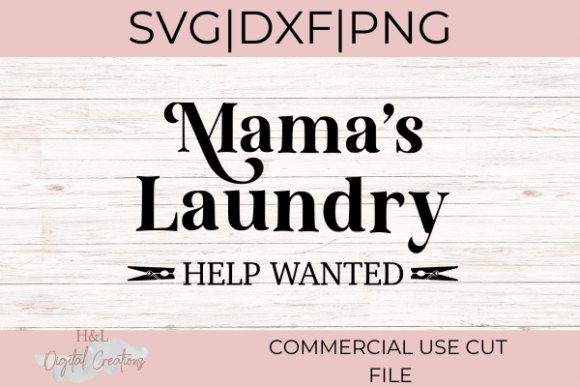
When I first pulled up Mamas Laundry Svg in my design software, I smiled. That is the honest truth. The design has a certain warmth to it, the kind of humor that feels lived in and real. It is not trying too hard to be clever or cute. The phrase "Mama's Laundry Help Wanted" carries a tired mom energy that so many people recognize instantly, and the visual personality reads like a playful job posting for the most thankless task in the house. For embroidery designers and small business owners who serve the mom market, this design ticks a lot of boxes before a single stitch is placed.
What I look for first in any Graphics file intended for embroidery is whether the layout will translate cleanly to thread. The composition here leans on a balanced mix of typography and decorative elements. The lettering has enough weight to hold up as a satin stitch without becoming bulky, and the surrounding details appear thoughtful rather than cluttered. In the world of Crafts, especially machine embroidery, a design that looks charming on screen can quickly become a tangled mess on fabric if the spacing is too tight or the details are too fine. This one raises no immediate red flags.
The Mood This Design Creates on Fabric
There is something about laundry room humor that connects with buyers on a deeply personal level. I have sold embroidered kitchen towels and laundry signs at craft fairs for years, and the ones that move fastest are the ones that make people snort-laugh in the aisle. Mamas Laundry Svg falls squarely into that category. It is relatable without being mean-spirited, and it carries a gentle self-deprecation that feels affectionate rather than bitter. The mood is playful, tired-but-smiling, the exact emotional state of a mom staring at a mountain of unmatched socks.
On a finished product, this mood translates into customer engagement. When someone sees this design stitched on a tote bag design or a laundry room sign, they do not just see a graphic. They see their own life reflected back at them. That kind of recognition is what transforms a simple handmade product into a personalized gift that people actually want to give and receive. From a small shop product perspective, the emotional hook is the real selling point, and this design delivers it cleanly.
Where This Design Shines Brightest
After testing the visual layout in my embroidery software, I started mentally assigning it to real projects. The first thing that came to mind was a custom embroidered tote bag, the kind a mom might carry to the grocery store or the laundromat itself. The proportions work nicely on a standard canvas tote, especially centered on the front panel with about two inches of breathing room on all sides. The humor lands perfectly in that context, functional and funny at the same time.
But the possibilities extend well beyond bags. Here is where I see Mamas Laundry Svg performing best in real embroidery work:
- Laundry room signs framed in a hoop or finished as a wall hanging. The theme is a natural fit, and the design reads clearly from a distance.
- Kitchen towels and tea towels stitched near the bottom edge. The humor works in any room where chores happen.
- Aprons for the mom who cooks, cleans, and does everything else. A chest placement or a pocket accent both work.
- Sweatshirt embroidery on the front or sleeve. Cozy, casual, and conversation-starting.
- Pillow covers for a laundry room bench or a reading nook. Adds a touch of personality to home decor.
- Embroidered patches that can be sewn onto jackets, backpacks, or even a laundry basket liner.
What ties all these applications together is visibility and context. The design thrives on items that people see regularly, where the joke can land again and again. It is not a one-and-done laugh. It is the kind of humor that earns its place on a frequently used handmade product.
A Real Project Scenario Worth Considering
Let me walk you through a scenario I have been thinking about since reviewing this file. A customer approaches a small embroidery business owner in early November. She wants a holiday gift for her sister, a new mom who is drowning in laundry and would appreciate a laugh. The request is for a custom embroidered sweatshirt, something soft, wearable, and funny.
This is where Mamas Laundry Svg becomes more than just a design. It becomes the centerpiece of a thoughtful gift. I would stitch this on a medium-weight crewneck in a warm oatmeal or soft gray, using a thread color that contrasts gently rather than screaming. The lettering would be the star, with the decorative elements adding just enough flair without distracting from the message. The finished product would feel intentional, personal, and professionally made. The customer would likely return for more, and the recipient would wear it until the threads wore thin.
That scenario is not hypothetical. It is the kind of order that keeps a craft business alive through the holiday season. Designs that can carry that kind of emotional weight are worth paying attention to.
Fabric and Hoop Considerations That Matter
Now for the practical embroidery designer notes that separate a smooth project from a frustrating one. When working with a design like Mamas Laundry Svg, the fabric choice matters tremendously. I recommend testing the design on scrap fabric first, especially if you plan to stitch on anything other than stable cotton or poly-cotton blends.
Stretchy fabrics like jersey knits and French terry, common for sweatshirt embroidery, require a cut-away stabilizer and careful hooping. The design has enough detail in the lettering and decorative elements that shifting fabric can distort the stitch placement. I would not recommend stitching this on thin fabric like lightweight rayon or flimsy t-shirt material without a solid backing plan. The satin stitch sections, particularly around the thicker letterforms, need a stable foundation.
Small hoop sizes also deserve a mention. If the design is scaled down to fit a compact hoop, the finer details may lose clarity. Tiny lettering can become illegible when reduced too far, and the decorative accents might blur into unrecognizable shapes. I always advise checking the minimum recommended size before committing to a project. For caps and hats, the curved surface adds another layer of complexity. The design would need to be adjusted or split to fit the front panel of a baseball cap cleanly, and I would not recommend placing it directly on a curved bill.
Dark fabric presents its own challenges. The design needs sufficient contrast to pop, and thread colors that look vibrant on a white screen can disappear on a black sweatshirt. I suggest testing the design in black and white mockups before stitching to confirm that the visual hierarchy holds up without color. Sometimes a subtle outline or a slightly lighter thread choice makes all the difference.
Thread Choices and Stitch Quality Observations
While I do not have the exact stitch count or density specifications for this file, my experience tells me that the typography-heavy layout will benefit from a balanced approach to stitch types. The lettering likely works best as a satin stitch with a moderate density, enough to create a smooth, shiny surface without becoming so dense that it puckers the fabric. The decorative elements probably lean toward a mix of satin stitch and running stitch, depending on their size and complexity.
Thread color selection is where the designer's judgment comes into play. For a classic look, a single color like charcoal, navy, or deep burgundy can carry the entire design with elegance. For a more playful approach, two-tone stitching can highlight the decorative accents separately from the main lettering. I would avoid using more than three thread colors unless the project specifically calls for a bright and whimsical finish. The humor of the design does not need rainbow stitching to land. In fact, a restrained palette often makes the message feel sharper and more intentional.
One practical note for those who sell finished products: test how the design holds up after washing. A laundry-themed design on a sweatshirt or tea towel will inevitably face the washing machine. If the stitch density is too light, the threads may fray over time. If the stabilizer is insufficient, the fabric may pucker after the first wash cycle. A quick wash test on a sample piece can save a small business from unhappy customers and costly refunds.
Commercial Use and Selling Considerations
For Etsy sellers, craft fair vendors, and small shop owners, the commercial viability of a design is just as important as its stitch quality. Mamas Laundry Svg has strong potential for commercial embroidery projects, but I must emphasize the importance of checking licensing before selling finished items or digital products. The description mentions that this design is great for creating shirts, mugs, decals, and other items, which suggests a commercial-friendly intent. However, I always advise makers to confirm the specific license terms before listing products for sale. Some files allow unlimited physical product sales but restrict digital resale. Others have quantity limits or require attribution. Knowing the rules upfront protects a craft business from legal trouble down the line.
Once licensing is confirmed, the product possibilities expand significantly. This design works well for:
- Etsy listings featuring personalized laundry room decor or custom mom gifts.
- Craft fair products like embroidered tea towels, tote bags, and framed hoop art.
- Boutique branding for small shops that sell curated home goods with a humorous twist.
- Printable mockups and digital product previews for sellers who offer custom embroidery services.
- Holiday embroidery gifts, especially for Mother's Day, Christmas, and baby shower presents.
The mom market is consistent and loyal. Buyers who connect with this kind of humor tend to return for more, and they often share their purchases on social media, which brings organic visibility to a handmade shop. Designs that spark that kind of word-of-mouth marketing are rare and valuable.
What Sets This Design Apart from Similar Laundry Humor Files
I have reviewed dozens of laundry-themed embroidery files over the years, and many of them fall into predictable patterns. They rely on cliché puns, overly ornate borders, or cartoonish illustrations that do not stitch well at smaller sizes. Mamas Laundry Svg avoids these pitfalls by keeping the focus on the message and the mood. The typography feels contemporary without being trendy, and the decorative elements support the text rather than competing with it.
The "Help Wanted" concept is clever because it frames the eternal laundry struggle as a job posting, which is exactly the kind of layered humor that resonates with moms who feel like they are running a small business out of their laundry room. It is specific enough to be memorable but broad enough to appeal to a wide audience. That balance is difficult to achieve, and this design manages it well.
From a designer's perspective, the file also appears to be structured in a way that allows for easy resizing and color separation. While I cannot verify the exact file contents without opening it in my editing software, the clean lines and clear composition suggest that the digitization process will be straightforward. For those who prefer applique design approaches, the lettering shapes could also be adapted for fabric applique with a satin stitch border, which opens up even more creative possibilities for layered projects and textured finishes.
Final Practical Thoughts Before You Stitch
Before you load this design onto your machine and start a project, here are the steps I recommend to every embroidery designer, whether you are a seasoned professional or a hobbyist building a handmade product line:
- Test on scrap fabric first. Use the same fabric type and stabilizer you plan to use on the final product. Check for puckering, thread breaks, and design clarity.
- Review stitch density. If the design feels too heavy, adjust the density settings in your embroidery software before stitching the final piece.
- Confirm hoop size. Measure the design dimensions and make sure your hoop can accommodate the full design with adequate margins.
- Check thread color contrast. Hold the thread against the actual fabric under natural light. What looks good on the spool may not read well on the finished product.
- Inspect small details. Zoom in on the digital file and look for any areas where lines might be too close together or too thin to stitch cleanly.
- Use proper stabilizer. Match the stabilizer to the fabric. Cut-away for knits, tear-away for wovens, and a topper for textured or fluffy fabrics.
- Test on dark and light fabric. The design should look good on both backgrounds if you plan to offer product variations.
- Verify licensing. Confirm that the file permits commercial use, especially if you sell finished products or digital embroidery files.
These steps may seem basic, but skipping even one of them can turn a promising project into a pile of wasted fabric and thread. I have learned that lesson the hard way more times than I care to admit, and I would rather spare you the same frustration.
In the end, Mamas Laundry Svg earns its place in a designer's digital library. It is not a flashy, overcomplicated file that demands constant attention. It is a solid, well-conceived design that understands its audience and delivers exactly what a mom-themed embroidery project needs: humor, heart, and a clean stitch on the finished product. Whether you are creating a personalized gift for a single customer or building inventory for a craft business, this design is prepared to do the work. And honestly, in a world full of laundry, that is exactly what every mama wants to hear.