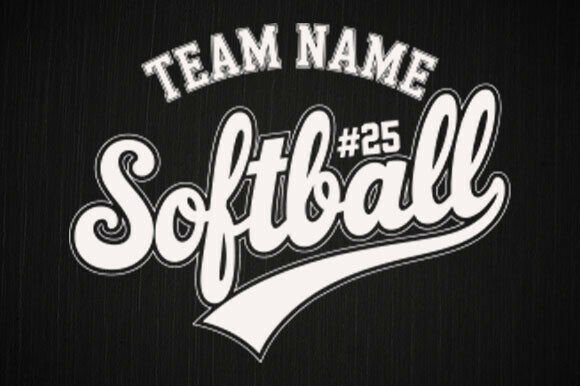
Softball Team Template, Retro Softball
When I first opened the preview of Softball Team Template, Retro Softball, I immediately felt the energy of a well-loved dugout and a classic letterman jacket. This isn't just a generic sports graphic; it's a design with a deliberate vintage soul. The curved typography, the balanced composition, and the nostalgic softball motifs carry a mood that feels equally at home on a game-day sweatshirt, a tote bag for the team mom, or a boutique patch sewn onto a denim jacket. As someone who tests embroidery files for real-world craft business use, I look at a design like this and immediately start thinking about how it will read under thread, how it will stitch out on different textures, and whether it will hold its personality when scaled up or down.
The Softball Team Template, Retro Softball sits comfortably in the Graphics category, but its true value reveals itself when you treat it as a starting point for a tactile, handmade product. It’s a digital asset that almost demands to be turned into a tangible, stitched piece. The layout feels considered—not too busy, with enough breathing room that the main elements won’t turn into a muddy mess when converted into a machine embroidery design. The retro lettering carries weight without being overwhelmingly thick, and the softball iconography is stylized enough to be charming, not childish. That’s a fine line to walk, and this design manages it well.
First Impressions and the Mood It Sets
There’s a warmth to this design that matters more than you might think. The Softball Team Template, Retro Softball taps into a shared memory of community sports, dugout chants, and handmade team spirit. It feels like a design that a softball mom would wear with pride, not because it’s loud, but because it’s personal. As a designer, I appreciate that the vintage aesthetic doesn’t feel forced. It borrows just enough from retro lettering styles and distressed looks without getting so complicated that it becomes a nightmare to digitize. The shape of the overall graphic is nicely contained—it has a natural border, which helps when you’re planning placement on a sweatshirt chest, a cap front, or a tote bag panel.
When I think about using this for a finished product, my mind goes straight to a scenario: a small shop owner preparing a custom embroidered crewneck for a loyal customer who is the heart of her daughter’s softball team. This customer wants something that feels like a team logo but also works as a stylish everyday piece. The Softball Team Template, Retro Softball fits that brief perfectly. It’s not a literal jersey emblem; it’s a design that bridges team pride and wearable fashion. That’s a powerful combination when you’re selling handmade products or personalized gifts.
Real-World Embroidery Performance: What to Expect
In my experience, a graphic like this needs to be evaluated stitch by stitch. The retro lettering often means slightly uneven edges or a hand-drawn feel, which can be a blessing in embroidery. Perfection isn’t the goal—character is. When you run this as a machine embroidery design, the slight irregularities of the font will actually enhance the handcrafted look, especially if you choose a matte polyester thread with a soft sheen. I’d recommend testing the design on a medium-weight cotton or a cotton-poly blend fabric first, because that’s the kind of surface most customers will ask for. The satin stitch sections—likely the main lettering and the softball itself—will need a clean underlay and a stable fabric to avoid puckering. The fill stitch areas, if any, will define the vintage texture, so keeping the stitch density moderate is key. Too dense, and you lose the soft retro feel; too light, and the design looks sparse on dark fabrics.
One thing I always check with sports-themed embroidery files is the small detail work. The Softball Team Template, Retro Softball includes delicate lines and possibly some tiny stars or decorative elements. Those will stitch out beautifully on a flat, stable surface like a tote bag or a pillow cover, but they can become problematic on a highly textured fabric like a waffle-knit sweatshirt. Before you commit to a large run of custom apparel, do a test stitch on the exact blank you plan to use. This is especially true if you’re working with a stretchy garment. I’d pair this design with a no-show mesh cutaway stabilizer on knits, and a tear-away on wovens, to keep the definition crisp without adding stiffness.
Where the Design Shines
The Softball Team Template, Retro Softball is practically made for certain product types. On a classic crewneck sweatshirt, it becomes an instant team mom favorite. On a canvas tote bag, it works as a stylish, everyday carry-all with a sports twist. I can also see it as an embroidered patch, finished with a merrow border, that someone can sew onto a jacket or a cap. The composition is compact enough to fit a 4x4 hoop easily, which is huge for small business owners who rely on single-needle machines. The design also translates well to a toddler raglan tee or a baby bodysuit, especially if you scale it down and use a soft, low-density stitch. The retro vibe softens the competitive edge, so it feels appropriate for a baby embroidery project or a nursery decor piece.
For holiday gifts, this design has a lot of potential. I can imagine a set of personalized kitchen towels for a softball coach, or a throw pillow for a player’s bedroom. The design’s personality doesn’t scream “sport” so loudly that it can’t coexist with cozy home decor. That versatility is what makes a digital embroidery file valuable to a craft business. You can list one design and apply it to half a dozen different finished products, each with a distinct use case.
Where You Need to Be Careful
No design is perfect for every surface, and the Softball Team Template, Retro Softball has its limits. Thin, lightweight fabrics like a basic t-shirt can be tricky if the design has large areas of fill stitch. The fabric may ripple, and the retro charm might get lost under too much thread. If you’re set on a lightweight tee, consider using a heavyweight stabilizer and a lighter thread color palette so the stitches don’t overwhelm the fabric. Dark fabrics also demand a bit more attention. The vintage aesthetic often relies on a slightly faded look, which can disappear on a black or navy background. I’d test the design on both a cream and a charcoal swatch to see which brings out the detail better. Sometimes a slight adjustment in thread colors—maybe a warmer white or a softer gray—can make all the difference.
Curved surfaces like a cap pose another challenge. The Softball Team Template, Retro Softball has a horizontal layout that might not sit perfectly on a structured cap front without some rotation or redesign. If you’re offering caps, I’d either look for a cap-specific version of the design or adjust the placement so the curved elements follow the seam line. For items that get washed frequently, like a team sweatshirt or a game-day towel, you’ll want to make sure the design is digitized with a solid underlay and that the stitch endpoints are secure. A quick pre-wash test of the finished product will tell you if the thread holds its color and shape.
Brand Value and Customer Perception
When you use a design like Softball Team Template, Retro Softball in your handmade products, you’re not just adding a graphic—you’re building a story. Customers who buy a custom embroidered tote bag or a personalized sweatshirt with this design are buying into a feeling of nostalgia, community, and care. That emotional connection is what makes a product feel giftable and worth the price. For an Etsy seller or a craft fair vendor, this design can elevate a simple blank into a boutique item. The key is in the presentation. Pair the finished product with a printable mockup that shows the design in a lifestyle setting, and you’ll see higher engagement and buyer trust. I’ve noticed that designs with a clear personality, like this one, tend to get more saves and shares on social media because they’re instantly recognizable and relatable.
From a branding perspective, the Softball Team Template, Retro Softball can become a signature style for a small shop that focuses on sports-family products. You can build a whole collection around it, adapting the same retro vibe for other sports or team roles. The design’s consistency and smart composition make it easy to create a cohesive product line without your feed looking chaotic. That’s a huge plus for any creative entrepreneur trying to develop a recognizable handmade brand.
Practical Designer Notes Before You Start Stitching
I never trust a digital embroidery file without a test stitch, and I’d treat this one the same way. Even though the preview looks clean, the Softball Team Template, Retro Softball will behave differently depending on your machine, thread, and stabilizer choices. Here’s my usual checklist, which applies perfectly to this design:
- Run a test on similar fabric. Use a scrap of the same weight and texture you’ll sell. Watch for puckering, misaligned corners, or thread breaks.
- Check stitch density. If the design feels too stiff, reduce the density slightly in your software. You want the garment to remain wearable, not like a board.
- Audit the small details. Look at the tiny lettering or decorative dots. If they close up or look messy, you may need to simplify that area or use a finer thread.
- Test on light and dark backgrounds. The retro color palette might need tweaking. A pastel thread on a dark fabric can look washed out, while a bright white thread can overwhelm the vintage feel.
- Use the right stabilizer. For tote bags and caps, I use a medium cutaway. For sweatshirts, a no-show mesh. For flat items like pillow covers, a tear-away often works.
- Check hoop size. Confirm that the design fits your most common hoop without resizing artifacts. A 4x4 or 5x7 hoop should cover most uses, but measure before you digitize.
- Print a black-and-white paper mockup. This helps you see the composition without color bias. If the design still reads well in grayscale, it will stitch clearly on fabric.
- Verify licensing. This listing is for an instant download digital product. Always check the seller’s terms regarding commercial use, especially if you plan to sell finished products. The product description mentions Softball Team Template Svg, Retro Softball, Softball Mom, Team Logo—these are listed as part of the file, but the exact usage rights need to be confirmed before you list items on Etsy or sell at a craft fair.
As a designer, I also suggest creating a digital mockup library using this design before you commit to a full inventory. Test the look on different product photos—a tote bag, a sweatshirt, a baby onesie, even a dog bandana. See which presentation resonates most with your audience. The Softball Team Template, Retro Softball has a broad appeal, but your customers will guide you toward the best-selling finished product.
Finally, don’t overlook the thread color selection. The retro vibe benefits from slightly muted tones—think vintage gold, cream, faded navy, or a soft athletic green. A high-shine rayon thread can look too modern, while a matte polyester thread will land closer to that nostalgic, lived-in feel. Your color choices are what turn a good embroidery project into a great handmade product.
All in all, Softball Team Template, Retro Softball delivers exactly what a seasoned embroidery designer looks for in a digital file: personality, versatility, and a shape that translates well to thread. It’s a design that understands its audience—softball families, team moms, and crafters who want to create something meaningful. Whether you’re adding it to a Crafts lineup for the upcoming season or building a one-off personalized gift, this design will hold its own. Just give it the respect of a proper test stitch, pair it with thoughtful fabric and stabilizer, and you’ll have a product that feels both handmade and high-quality. That’s the sweet spot every small shop owner wants to reach.