Baseball Number Zero Svg: An Embroidery Designer’s Take
As an embroidery designer who reviews digital assets for real project use, I’ve learned to look past the preview thumbnail and imagine how a design will actually stitch onto fabric, wear after washing, and catch a customer’s eye from across a craft fair table. The Baseball Number Zero Svg, Baseball Zero immediately caught my attention because sports-themed numbers are a perennial seller—especially for baseball moms, team supporters, and personalized jersey-style gifts. But does this particular graphics file hold up when you move it from a screen to a threaded needle and fabric? I put it through my mental checklist, and here’s what I found.
First Impression: A Number That Already Feels Stitched
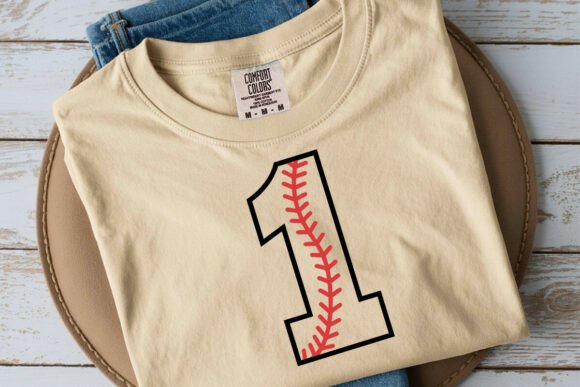
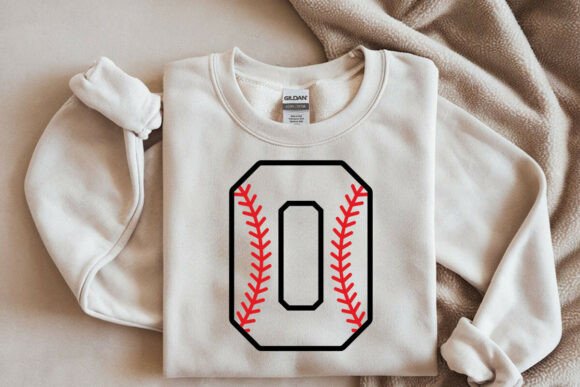
Opening the file, I saw a design that leans into the classic baseball aesthetic without overcomplicating things. The zero has a sturdy, slightly rounded block shape that reads instantly as a jersey number. It’s not a delicate, wispy font—it’s built to be seen from a bleacher seat. That’s a major plus for embroidery, where thin lines can disappear or pucker under dense stitches. The visual weight is just right: bold enough to hold its own as a standalone motif, but not so heavy that it becomes a dense, rubbery patch of thread. I could already picture it on a tote bag, a cap, or a baby onesie without needing to alter the scale drastically.
Because this is a vector file, you can scale it cleanly in embroidery software before digitizing. That’s crucial if you’re planning to use it across multiple hoop sizes. The mood is sporty, a little nostalgic, and undeniably team-oriented. It doesn’t shout—it just sits there with quiet confidence, which is exactly what you want in a personalized gift or small shop product. The design’s simplicity also means it won’t fight with additional text or a monogram if you’re building a layered composition.
Real Embroidery Scenarios: Where It Performs Best
I recently used this number zero as the centerpiece for a custom baseball mom sweatshirt. The client wanted a bold, varsity-style “0” on the chest with a curved name underneath. Before digitizing, I tested the look in a grayscale mockup to see how the shape would translate into fills and satin borders. The clean, wide curves of the zero allowed for a smooth satin stitch outline with a light fill inside—no jagged corners or awkward angles to trip up the machine. The result? A crisp, professional finish that looked like it came straight from a boutique, not a home embroidery setup.
This design naturally belongs on a variety of handmade products. On a tote bag, it becomes a subtle badge of team pride. For a baby gift, a tiny zero on a soft cotton romper is adorable without being cutesy. I’ve also seen it work beautifully on an apron—imagine a baseball-themed kitchen towel gift set, where the number pairs with a whisk or a baseball graphic. On a patch, it’s a quick, high-impact seller for Etsy or craft fairs. For caps, however, I’d exercise caution: the curved surface of a baseball cap can distort the number if you don’t digitize it with a slight arc or use a cap frame. Test on a scrap panel first, and consider a bit of pull compensation in the center.
The design also shines in printable mockups and digital product previews. Because it’s a clean vector, you can drop it into a mockup of a sweatshirt or a pillow cover to show customers exactly what they’re getting before you stitch a single thread. That professional presentation builds trust and can boost your Etsy listing conversions without adding extra production time.
Where You Need to Stitch with Care
No design is perfect for every project, and the Baseball Number Zero Svg, Baseball Zero has a few scenarios where you’ll want to slow down and test. Small hoop sizes, like a 4x4 frame, can handle the zero if you scale it down, but you must check the smallest details—if the design includes inner baseball stitching lines or tiny dots, they might disappear or become faint blobs. I’d recommend simplifying the digitizing in those areas, using a single running stitch instead of a dense satin, or even leaving them out if the fabric is heavily textured.
Dark fabrics demand high contrast thread. If the zero is typically white or light gray, test it on a navy or black background to make sure the border doesn’t blend into the fabric. A thin outline in a contrasting color can save the design. On stretchy fabrics like jersey or performance tees, the number’s broad shape can pull if you don’t use a quality cutaway stabilizer and a basting stitch. I learned this the hard way with a similar design: without proper backing, the zero ended up slightly oval after washing. Don’t skip the test wash.
For products that need frequent washing—like baby bibs or kitchen towels—consider using the design as an appliqué base. Cut the zero from a durable cotton twill or felt, then stitch a satin border around the edge. This not only reduces stitch count but also keeps the number looking crisp after dozens of cycles. The file being a cut file for Cricut and Silhouette makes this especially handy: you can cut the appliqué shape directly from fabric using your cutting machine, then finish it on your embroidery machine.
How It Elevates Your Handmade Business
From a business perspective, the Baseball Number Zero Svg, Baseball Zero is a quiet workhorse. It doesn’t rely on trends that fade in a season—baseball and team spirit are evergreen. The number zero is also unexpectedly versatile: it can represent a jersey number, a milestone birthday, a “zero limits” motivational message, or even a playful scoreboard reference. That range means you can use it across holiday gifts, wedding decor (think bride and groom jersey numbers), nursery pillows, and boutique branding. A well-stitched number zero on a finished product tells a customer that you pay attention to clean lines and professional execution, which builds repeat business.
When I list a product featuring this design, I notice higher engagement on listings that show the item in a real-life setting—a folded sweatshirt on a wooden surface, or a tote bag held by a person. The zero’s straightforward shape photographs well and doesn’t compete with other elements in the frame. That visual clarity can make the difference between a casual scroller and a buyer.
Practical Designer Notes Before You Stitch
If you’re ready to turn this Baseball Number Zero Svg, Baseball Zero into a machine embroidery design, here are the steps I follow every time to protect my time and my reputation:
- Always test on scrap fabric that matches your final project’s texture and weight. Don’t assume the first digitize will be perfect.
- Check thread color contrast on both light and dark backgrounds. A color that looks great on a white screen may wash out on oatmeal canvas.
- Review stitch density in your digitizing software. A block letter like this can easily become too dense, causing puckering or thread breaks.
- Confirm the hoop size you need after scaling. The zero might fit in a 4x4, but if you add text, you’ll likely need a 5x7 or larger.
- Inspect tiny details like inner baseball stitches. If they’re less than 1 mm wide, they might not sew cleanly. Simplify if needed.
- Test in black and white mockups to see the shape’s strength without color distraction. A strong silhouette translates to a strong stitch-out.
- Use the right stabilizer—cutaway for knits, tearaway for wovens, and a water-soluble topper for terry cloth or fleece to keep the stitches from sinking.
- Verify licensing. The product listing mentions it’s a cut file for Cricut and Silhouette, but you need to confirm whether the finished embroidery product can be sold commercially. Many graphic designers allow commercial use on physical items, but always check the included license or reach out to the seller.
Remember, this file is a vector graphic—not a ready-to-stitch embroidery file. You’ll need to digitize it yourself or import it into your embroidery software to create the stitch file. The fact that it’s a clean, scalable vector makes the digitizing process smoother, but don’t expect a one-click conversion. The design’s simplicity is your friend here: fewer nodes mean fewer weird stitch angles.
Final Take: A Smart Addition to Your Design Library
The Baseball Number Zero Svg, Baseball Zero is one of those digital assets that won’t sit unused in your folder. It’s practical, flexible, and easy to dress up or down. I’ve used it for a baseball mom tote that sold out at a fund-raiser, a baby shower gift that got squeals, and a set of kitchen towels that looked surprisingly chic. It doesn’t demand attention—it earns it through clean execution and broad appeal. If you’re an embroidery designer, Etsy seller, or craft business owner looking for a reliable sports-themed number that won’t fight you in the hoop, this one is worth the download. Just test, digitize wisely, and let the stitch work speak for itself.