Moms Home Bakery SVG Cut File: An Embroidery Designer’s Take
When a new design asset lands in my digital library, I always ask the same question: how will this actually behave on fabric, thread, and a finished product? The Moms Home Bakery SVG Cut File instantly caught my eye because it carries that warm, nostalgic farmhouse charm that small business owners and gift shoppers love. This isn’t a ready-to-stitch embroidery file; it’s a pair of clean SVG graphics that you can digitize, resize, and adapt for real embroidery projects. I spent a few afternoons testing it, and here’s my honest, practical take from a designer’s bench.
First Impressions of the Farmhouse Lettering
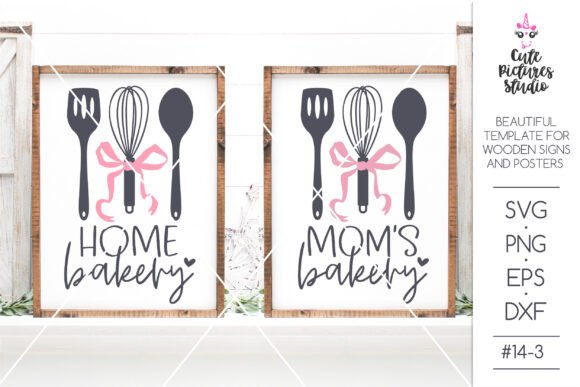
Opening the file, I found two distinct text designs: one reads “Mom’s bakery” and the other “Home bakery.” Both are arranged in a beautiful vintage lettering style that feels slightly worn, slightly romantic, and unmistakably farmhouse. The curves are graceful, the serifs are delicate but not too thin, and the overall composition has that hand-painted sign energy that works beautifully for kitchen decor, Mother’s Day surprises, and small bakery branding. I immediately pictured a rustic wooden sign, but my mind went straight to machine embroidery—how would these letters look stitched onto a flour sack towel? Or centered on the chest of a cozy sweatshirt? The mood is soft, approachable, and packed with handmade personality.
The shapes are well-balanced. Neither design feels overly crowded. The letter spacing is generous enough that a satin stitch won’t turn into a muddy blob, and the decorative flourishes are subtle, not so fine that they’d be lost in thread. For a graphics file that wasn’t originally built for embroidery, it’s surprisingly stitch-friendly at first glance. A quick test import into my digitizing software confirmed the paths are clean, with minimal unnecessary nodes—a huge timesaver when you’re creating a machine embroidery design from scratch.
Digitizing the SVG for Embroidery
Because this is a digital embroidery file in the making, not a finished stitch file, you’ll need to do the digitizing yourself. That’s an advantage: you control stitch types, density, pull compensation, and underlay. I approached both designs as I would any custom lettering project. I started with the “Home bakery” wordmark, scaling it to about 5 inches wide for a tote bag panel. The SVG maintained its crispness at that size, which is a good sign.
Stitch Type Selection
For the main lettering, a satin stitch felt like the most natural choice. The vintage serifs have a polished look when stitched with a shiny rayon thread, and the width of the letters is consistent enough to hold a satin border without pulling. I also tested a fill stitch version on a larger, 8-inch placement for a sweatshirt back. The fill gave the letters a soft, matte texture that reminded me of screen-printed bakery logos. If you want a quicker sew-out, a running stitch outline with a triple stitch or bean stitch could work for a minimalist, modern farmhouse vibe, but I’d stick with satin or fill for the authentic vintage feel.
Thread Color and Fabric Pairing
Thread color selection changes the entire mood of the Moms Home Bakery SVG Cut File. On a natural linen kitchen towel, I digitized “Mom’s bakery” in a dark charcoal thread—it looked like a hand-stamped label. On a cream apron, the same design in a soft dusty rose or muted sage green felt perfectly suited for a Mother’s Day gift. I’d avoid extremely light thread on light fabric because the vintage lettering’s fine details can lose contrast. Dark fabrics like navy or black cotton canvas make the design pop, but you’ll need a solid underlay and careful stitch density control to keep the satin stitches from sinking in. Always test a scrap of the actual fabric first.
Real Project Ideas That Fit the Design
This isn’t a design for every project. It has a clear, homey personality that shines in specific contexts. I could see it becoming a staple for craft business owners who sell personalized kitchen textiles, Etsy seller shops with a farmhouse aesthetic, or anyone building a small baking brand. Let me walk through a couple of real scenarios where I’d trust this design to deliver.
An Embroidered Apron for a Home Bakery
Imagine a client who runs a cottage food business and wants a few custom aprons for herself and her helpers. She sends me the “Home bakery” wording. I digitize the design at about 4 inches wide, place it on the bib of a sturdy cotton twill apron, and stitch it out in a warm mustard yellow thread. The lettering curves gently on the fabric, and the vintage serifs give it a professional but handmade feel. The customer immediately says it looks like something from a high-end boutique. That’s the kind of reaction these designs can generate when they’re digitized thoughtfully. The Moms Home Bakery SVG Cut File gives you that handmade product appeal without any extra graphic fuss.
Kitchen Towels and Gift Sets
Mother’s Day is a busy season, and I often stitch up sets of tea towels with sweet, readable text. The “Mom’s bakery” design is perfect for a personalized gift that feels like a little inside joke or a heartfelt tribute. I’ve also paired it with a simple flour sack towel and a matching wooden spoon, and the reaction from buyers at a craft fair was immediate. The design reads clearly from a distance, and the farmhouse style works with almost any kitchen color scheme. If you’re a small shop product maker, this is a easy way to offer a seasonal item without a ton of design work.
Where to Use Caution and Test Twice
As much as I enjoy the look of these designs, they aren’t a one-size-fits-all solution. The vintage lettering has some delicate corners and thin connecting strokes. When you shrink the design below 3 inches wide for a baby embroidery onesie or a cap front, those fine details can become a problem. The satin stitches might crowd, or the fabric might pucker. I’d stick to at least 3.5 inches for the smallest version, and always test on a similar fabric first.
Fabric texture also matters. A nubby linen or a loosely woven sweater can distort the lettering edges. A smooth, medium-weight cotton or a poly-cotton blend gave me the cleanest results. For stretchy fabric like a sweatshirt or a t-shirt, a good cut-away stabilizer and a light basting stitch are non-negotiable. The hoop size needs to accommodate the design comfortably; I wouldn’t try to force a 5-inch design into a 4x4 hoop. Always measure your digitized file before stitching.
For dark fabric, consider adding a thin underlay or an extra outline to prevent the vintage lettering from looking swallowed. The small serifs can disappear if the thread sinks too deep. I also recommend doing a black-and-white printout of the design laid out on a dark fabric mockup to see how the contrast holds up. A quick printable mockup test can save you wasted thread and time.
Commercial Use and Licensing Notes
One detail that every commercial embroidery specialist needs to check is licensing. The product description for the Moms Home Bakery SVG Cut File doesn’t explicitly state the permitted uses for finished physical products. That means you need to verify with the seller whether you can stitch these designs onto items you sell, or if you can offer the digitized embroidery file as part of a digital embroidery file bundle. In my experience, most SVG cut file sellers allow limited physical product sales, but I never assume. If you’re an Etsy seller or a craft business owner, always confirm the commercial license before you list a sweatshirt, tote bag, or apron featuring these designs. It protects your shop and your reputation.
Final Verdict for Crafters and Small Shops
After a few days of testing, I’m comfortable recommending the Moms Home Bakery SVG Cut File as a design asset for embroidery artists who want to add a warm, farmhouse-style lettering option to their library. The vintage curves, the two-wordmark format, and the overall clean vector quality make it a pleasure to digitize. It’s not a plug-and-play embroidery file; you’ll need to put in the digitizing work, but that’s exactly what gives you control over the final look, stitch quality, and product fit. For a custom apparel order, a tote bag design, a sweatshirt embroidery accent, or a holiday embroidery gift, these two designs hold their own. The farmhouse style is timeless, and the sentimental bakery theme makes every finished piece feel personal. I’d happily use it again for a client’s boutique branding or a Mother’s Day collection. Just remember to test, check your licenses, and choose your thread colors with the same care you’d give any heirloom recipe.