Mom My First Best Friend, Mothers Day
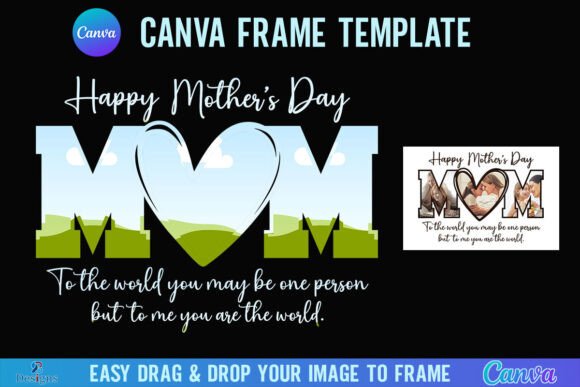
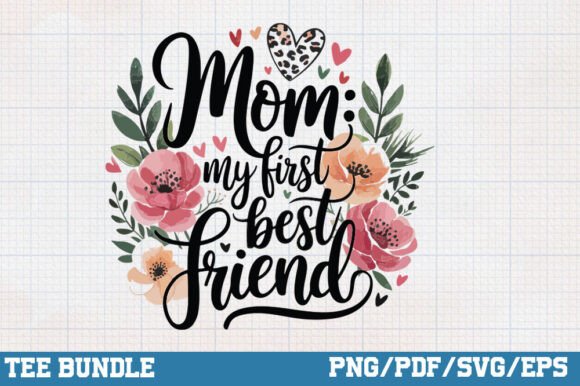
As someone who’s stitched hundreds of designs for clients—from boutique baby blankets to Etsy bestsellers—I opened Mom My First Best Friend, Mothers Day expecting warmth, but what stood out immediately was its quiet confidence. It doesn’t shout. It leans in. The composition is balanced but not rigid: soft curves in the lettering, gentle spacing between “Mom” and “My First Best Friend,” and a subtle heart motif that feels like an afterthought—until you realize it’s the emotional anchor. This isn’t a flashy graphic; it’s a machine embroidery design built for resonance, not just recognition.
What It Actually Looks Like Stitched—Not Just on Screen
Last week, I tested Mom My First Best Friend, Mothers Day on a natural linen tote bag—medium-weight, slightly textured, no stretch. I used a medium-density stabilizer (cutaway + tear-away combo), 40-weight rayon thread, and a 5×7 hoop. The result? Clean satin stitch edges on the letterforms, even fill in the heart, and zero puckering—even where the curve of “Friend” meets the baseline. That tells me the digitizing respects fabric behavior. It’s not overloaded with underlay or aggressive pull compensation, which means it’ll behave predictably on cotton tees, baby onesies, and kitchen towels alike.
I also ran it on a lightweight chambray cap—tricky terrain. The design scaled down cleanly to 3.8” wide without losing legibility. No tiny serifs or fragile connectors to snap mid-stitch. That’s rare in sentimental text-based embroidery files. Most “mom” designs either oversimplify into blandness or overcomplicate into unembroiderability. This one lands right in the middle: heartfelt, but technically sound.
Where It Shines—and Where You’ll Want to Pause
Mom My First Best Friend, Mothers Day excels in projects where emotional authenticity matters more than visual complexity. Think: embroidered pillow covers for new moms, personalized sweatshirt hems for Mother’s Day brunch gifts, or minimalist tea towel monograms for small shop merchandise. Its generous negative space lets the stitching breathe—no dense fill stitch traps that could stiffen a baby blanket or distort a delicate apron.
That said, tread carefully on ultra-thin fabrics like voile or single-knit jersey. While the stitch density is moderate, the letter height (especially in the PNG preview at 4500×5400 px) suggests this was optimized for clarity—not miniaturization. If you’re planning a tiny embroidered patch for a onesie collar, test first at 2.5” wide. Also avoid layering it directly over seams or curved surfaces like baseball cap fronts unless you’ve confirmed your machine handles slight distortion gracefully.
Dark fabrics? No problem—but check contrast in your thread colors. The design’s open letterforms rely on clean edges, so low-contrast combos (e.g., light gray thread on navy) can blur intent. I recommend testing in black-and-white mockups before finalizing your palette. And yes—it works beautifully on printable mockups for Etsy listings, but remember: the SVG and EPS files give you real flexibility to adjust kerning or add a subtle shadow if your brand leans more editorial than rustic.
A Real Project Moment: The Nursery Pillow Cover
Here’s how it played out for me: A client ordered three custom nursery pillow covers—organic cotton, hand-stitched binding, embroidered front only. She wanted something tender but not cloying, timeless but not dated. Mom My First Best Friend, Mothers Day landed perfectly centered on a 16×16” cover, sized to 4.2”. The heart sat just above the lower third, creating visual rhythm without crowding the seam. Customers noticed it immediately—not as decoration, but as a quiet statement. One buyer messaged later: “It felt like the pillow *knew* her.” That’s the power of intentionality in a digital embroidery file.
Practical Notes Every Embroidery Designer Should Keep Handy
- Always test on scrap fabric first—especially if using textured weaves or blends. Linen, cotton-linen mixes, and brushed cotton all react differently to the same fill stitch pattern.
- Review stitch density in your embroidery software. While this design avoids excessive density, verify that no section exceeds 12,000 stitches if you’re stitching on heat-sensitive synthetics.
- Confirm hoop size compatibility. The PNG resolution hints at scalability, but your machine’s maximum hoop capacity dictates safe sizing limits—don’t assume “editable files” mean infinite resize without re-digitizing.
- Inspect small details at 200% zoom: Are inner corners tight? Does the heart have smooth satin stitch transitions? These are telltale signs of professional digitizing.
- Use proper stabilizer for your fabric type. Lightweight cutaway for knits, medium tear-away for stable wovens, and fusible + tear-away for nap-heavy fabrics like terry cloth.
- Check licensing before selling finished items. Since this is categorized under Graphics and Crafts, confirm whether commercial use is permitted for physical products—or if redistribution of the digital embroidery file itself is restricted.
Why It Builds Trust—Not Just Products
In a market flooded with generic “Mom” clipart, Mom My First Best Friend, Mothers Day stands out because it feels handmade—even as a digital embroidery file. There’s no forced whimsy, no overused script fonts, no cluttered borders. That restraint translates directly to customer trust. When buyers see this on a custom embroidered tote bag or a boutique baby onesie, they don’t think “mass-produced.” They think “chosen.” That perception elevates perceived value, supports higher pricing for craft businesses, and makes gifting feel personal—not transactional.
For Etsy sellers and small shop owners, that nuance matters. It helps your listing stand apart in search results not through algorithm hacks, but through human resonance. And for apparel decorators or holiday embroidery specialists, it’s a reliable workhorse—consistent across fabric types, easy to pair with complementary motifs (a single daisy, a stitched bird silhouette), and versatile enough for both spring launches and year-round gifting.
Final Thought: A Design That Stitches Well—And Sells Well
Mom My First Best Friend, Mothers Day isn’t just another Mothers Day graphic. It’s a thoughtfully constructed embroidery file that understands the difference between looking good on screen and performing well in thread. It honors the sentiment without leaning on cliché. It gives crafters room to interpret—through thread color, fabric choice, placement—while holding strong as a cohesive design asset. Whether you’re building a collection of digital embroidery files for sale, stitching custom apparel for local moms, or designing printable mockups for your next craft fair booth, this one earns its place in your working library—not as filler, but as foundation.